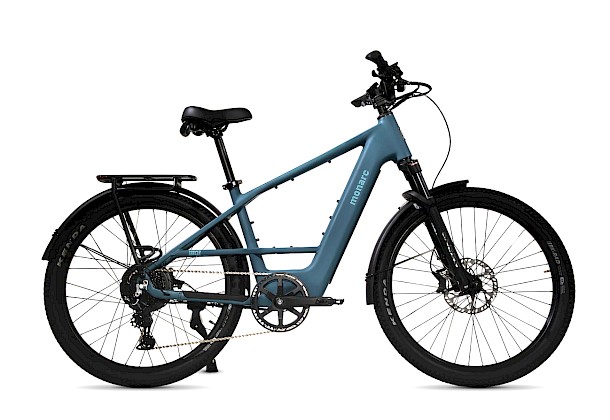
 vs
vs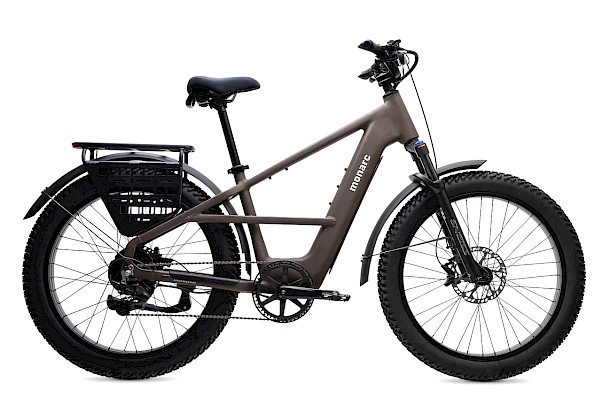 Tracer vs MakerTop two overall
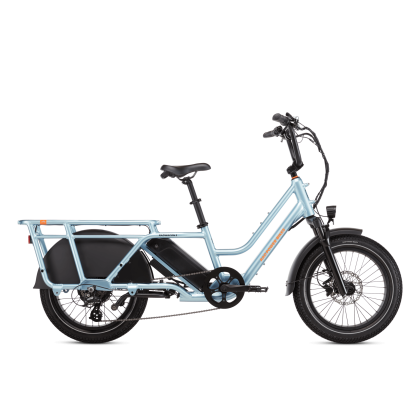 RadWagon 5Rad Power Bikes$2,39957.5/100 RadWagon 5Rad Power Bikes$2,39957.5/100 | ||
|---|---|---|
| PRICING | ||
| PriceMSRP for base model; does not include shipping or accessories. | $2,399 | -- |
| MOTOR | ||
| Motor (Nominal)Continuous rated power; peak power may be higher. | 750 W | -- |
| Motor (Peak)Maximum short-burst output available from the motor system. | 1,056 W | -- |
| BATTERY | ||
| Battery CapacityTotal battery capacity in watt-hours. | 720 Wh | -- |
| PERFORMANCE | ||
| RangeReal-world range under ideal conditions; varies with terrain, rider weight, and assist level. | 60 mi | -- |
| Top SpeedMaximum assisted speed on level ground. | 28 mph | -- |
| UTILITY | ||
| WeightBike-only weight without cargo or rider. | 86 lbs | -- |
| Payload CapacityCombined rider and cargo carrying limit. | 375 lbs | -- |
| GEOMETRY | ||
| Frame Type | Step-Thru | -- |
| COMPONENTRY | ||
| Brakes | Hydraulic disc, 2-piston | -- |
| SAFETY | ||
| UL 2271 CertifiedUL 2271 validates battery-pack safety and thermal resistance. | ✓ | -- |
| UL 2849 CertifiedUL 2849 verifies the complete eBike electrical system. | ✓ | -- |
| Reviews | Full Review | -- |
Every bike sits on the same 27 ladders. The rung it lands on decides the points, so each difference below is already priced in before you read it.
| RadWagon 557.5 / 100 | |
|---|---|
| POWER & DRIVEup to 16 pts | 12 / 16 |
| Peak power outputup to 9.5 pts | 5.5 / 9.5P4 · 1,050–1,199 W |
| Pedal-assist sensingup to 3.5 pts | 3.5 / 3.5S1 · Torque sensor |
| Throttleup to 1 pts | 1 / 1T1 · Throttle included |
| Speed classup to 2 pts | 2 / 2C2 · 28 mph (Class 3) |
| BATTERY & RANGEup to 21 pts | 8.5 / 21 |
| Usable battery capacityup to 12 pts | 6 / 12B3 · 650–799 Wh |
| Charger speedup to 3 pts | 0 / 3CH0 · Under 100 W |
| Cell supplierup to 2 pts | 2 / 2CE1 · LG, Samsung or Panasonic |
| Battery ingress protectionup to 4 pts | 0.5 / 4IN1 · IPX5 |
| SAFETY & BRAKINGup to 14 pts | 9 / 14 |
| Braking systemup to 6.5 pts | 3 / 6.5K1 · Hydraulic disc, 2-piston |
| Brake hardwareup to 2.5 pts | 1 / 2.5N1 · Tier-2 name brand (Tektro, Star Union) |
| Motor cut-off at the brake leverup to 2 pts | 2 / 2X1 · Motor cut-off at the brake lever |
| Brake-activated lightup to 1.5 pts | 1.5 / 1.5R1 · Brake-activated rear light |
| Turn signalsup to 1.5 pts | 1.5 / 1.5G1 · Integrated turn signals |
| RIDE QUALITY & COMPONENTSup to 32 pts | 18 / 32 |
| Suspensionup to 11 pts | 6.5 / 11F3 · Name-brand suspension fork (SR Suntour, RST, KKE) |
| Drivetrainup to 10.5 pts | 4 / 10.5D3 · 7–8 speed, mid tier |
| Tyresup to 1.5 pts | 1.5 / 1.5Y2 · Premium brand (Maxxis, Schwalbe, Kenda, Continental) |
| Frame finishup to 2 pts | 1.5 / 2FF1 · Smooth welds |
| Axle standardup to 2.5 pts | 2 / 2.5AX2 · Thru-axle |
| Stemup to 2 pts | 1.5 / 2ST1 · Tooled adjustable stem |
| Pedalsup to 2 pts | 0.5 / 2PD1 · Steel |
| Lock-on gripsup to 0.5 pts | 0.5 / 0.5LG1 · Lock-on grips |
| UTILITY & PRACTICALITYup to 8 pts | 6 / 8 |
| Rack & cargo systemup to 4 pts | 2.5 / 4A2 · Aluminium rack |
| Fenders & weather protectionup to 2.5 pts | 2.5 / 2.5M3 · Full-coverage composite fenders |
| Kickstandup to 1.5 pts | 1 / 1.5J1 · Fixed kickstand |
| DISPLAY & CONNECTIVITYup to 9 pts | 4 / 9 |
| Displayup to 6.5 pts | 2.5 / 6.5V2 · Colour LCD or OLED |
| Rider tuningup to 2 pts | 1.5 / 2U1 · Partial tuning |
| App connectivityup to 0.5 pts | 0 / 0.5Q0 · No app |
Scored on the same 6 rubric categories as the leaderboard, out of 10.
Click a model below to highlight its column in the table above.
How these 1 bikes rank against each other on the leaderboard rubric.
| # | eBike | Price | Overall | Power | Battery | Safety | Ride quality | Utility | Display | Board rank |
|---|---|---|---|---|---|---|---|---|---|---|
| 1 | RadWagon 5Rad Power Bikes | $2,399 | 57.5 | 75 | 40 | 64 | 56 | 75 | 44 | #8 of 87 |
Every bike rides the same 20-mile route with sustained climbs at a steady assist level. The bar shows how much battery is left at the finish.
720 Wh · Hub motor
Mid-drive motors run through the gears, so they turn the same watt-hours into more climbing than a hub motor pushing a fixed ratio. A bigger battery buys margin either way; a heavier rider spends it faster.
Estimates only. Real-world battery use depends on terrain, assist level, tyre pressure, wind and temperature; the model applies the same assumptions to every bike so the comparison is fair, not exact.
vsTracer vs MakerTop two overallvs+2Tracer vs Maker vs Scrambler Full-Suspension vs Summit 2The podium and the chaservs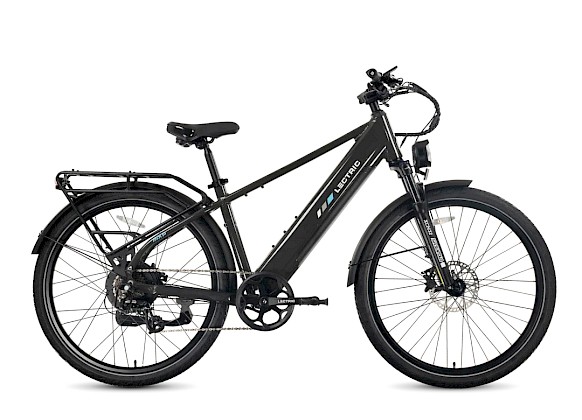 Tracer vs XPress2Best commuter/cruiser bikes
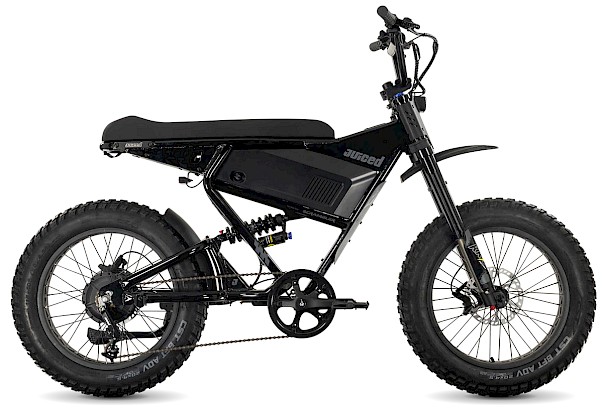 vs
vs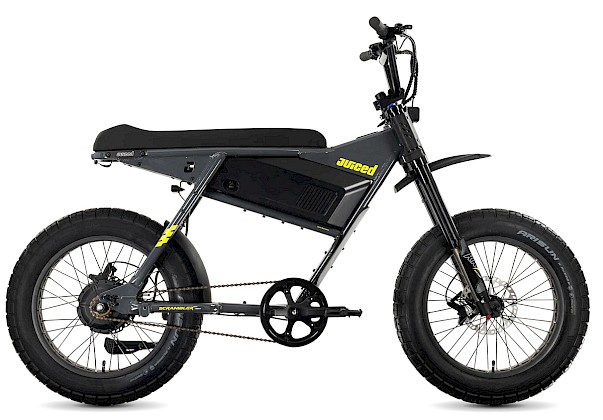 Scrambler Full-Suspension vs Scrambler HardTailBest moped style bikes
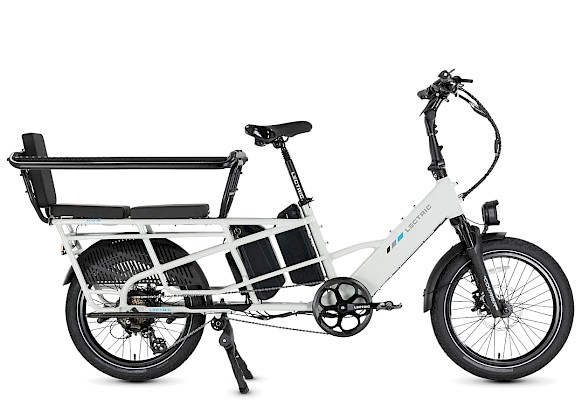 vsXPedition2 Dual Long Range vs RadWagon 5Best cargo bikes
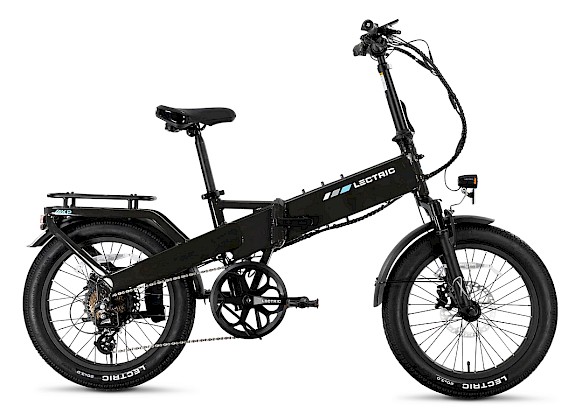 vs
vs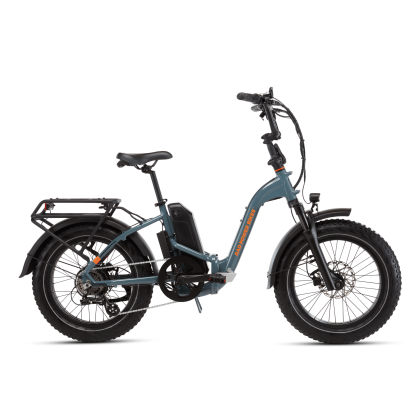 XP4 750 vs Rad Expand 5 PlusBest folding bikesvs
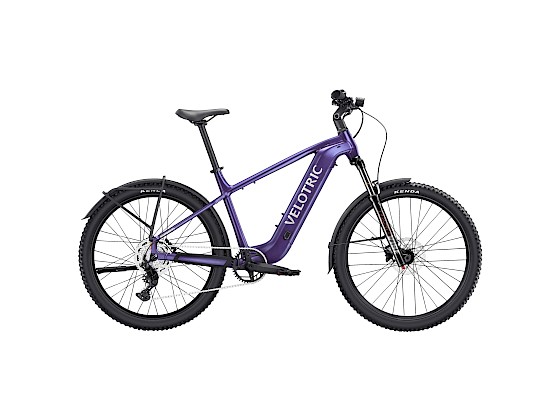 Maker vs Summit 2Best emtb/off-road bikes
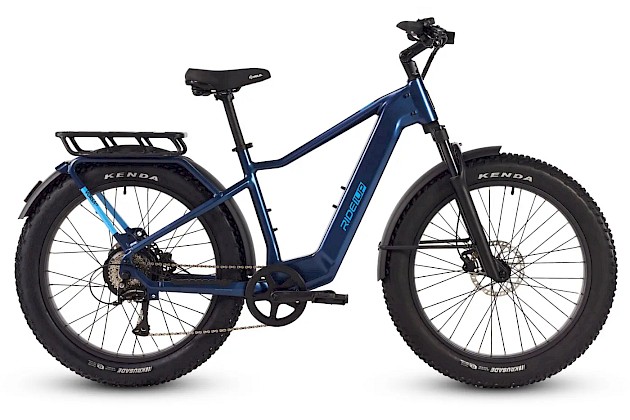 vs
vs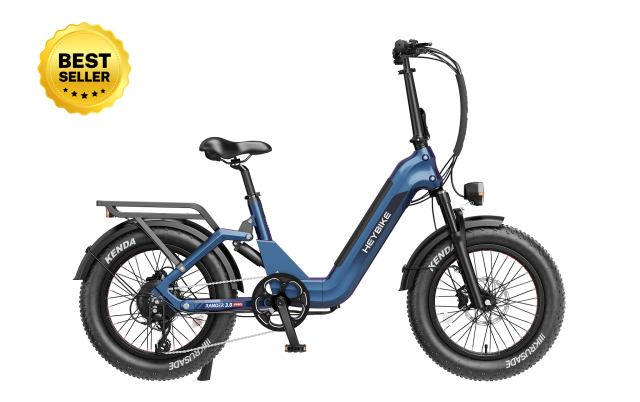 Vorsa FT vs Ranger 3.0 ProBest fat tire bikes
 vs
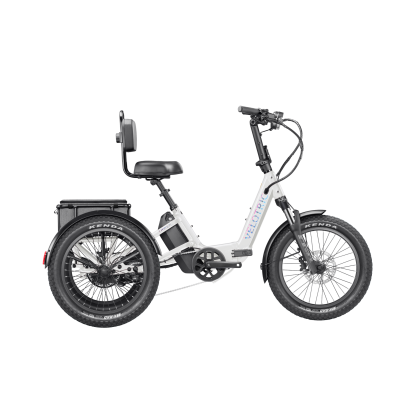
vs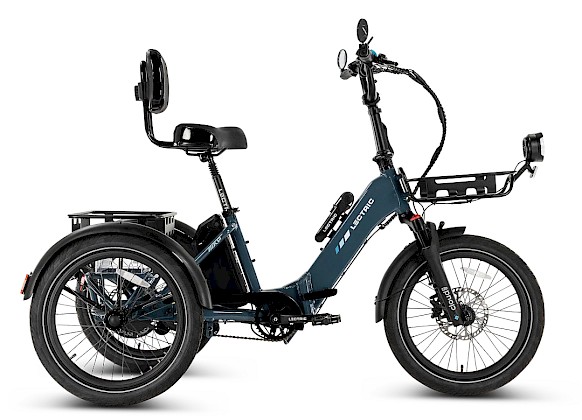 Triker vs Trike2 750Best trike/3-wheeler bikes
eBike Quiz
Answer five quick questions and we will rank the best bikes for you using the same scoring engine behind our leaderboard.
Question 1 of 5
No bikes matched every answer. Try relaxing the budget or safety filter.